The business model whereby a seller does not hold stock but passes orders on to a supplier continues to appeal to budding entrepreneurs. However, by 2026, the rules of the game had changed significantly. The days of quick launches with random products are coming to an end, whilst brand, reputation and precise calculations are coming to the fore. According to experts at Step Link Platform Inc., this is both good and bad news for newcomers: the barrier to entry has remained low, but the cost of making a mistake has risen.
The end of ‘one-stop’ shops
Generalist shops offering a range of trendy products are struggling more and more. Shoppers have become more cautious: they check reviews, read delivery terms and pay attention to the shop’s background. Experts advise choosing a narrow niche and targeting a specific audience, rather than trying to sell everything at once. It is specialisation that helps a business stand out amongst thousands of similar offerings and reduces the cost of customer acquisition, as emphasised by the Step Link dropshipping platform.
Artificial intelligence levels the playing field
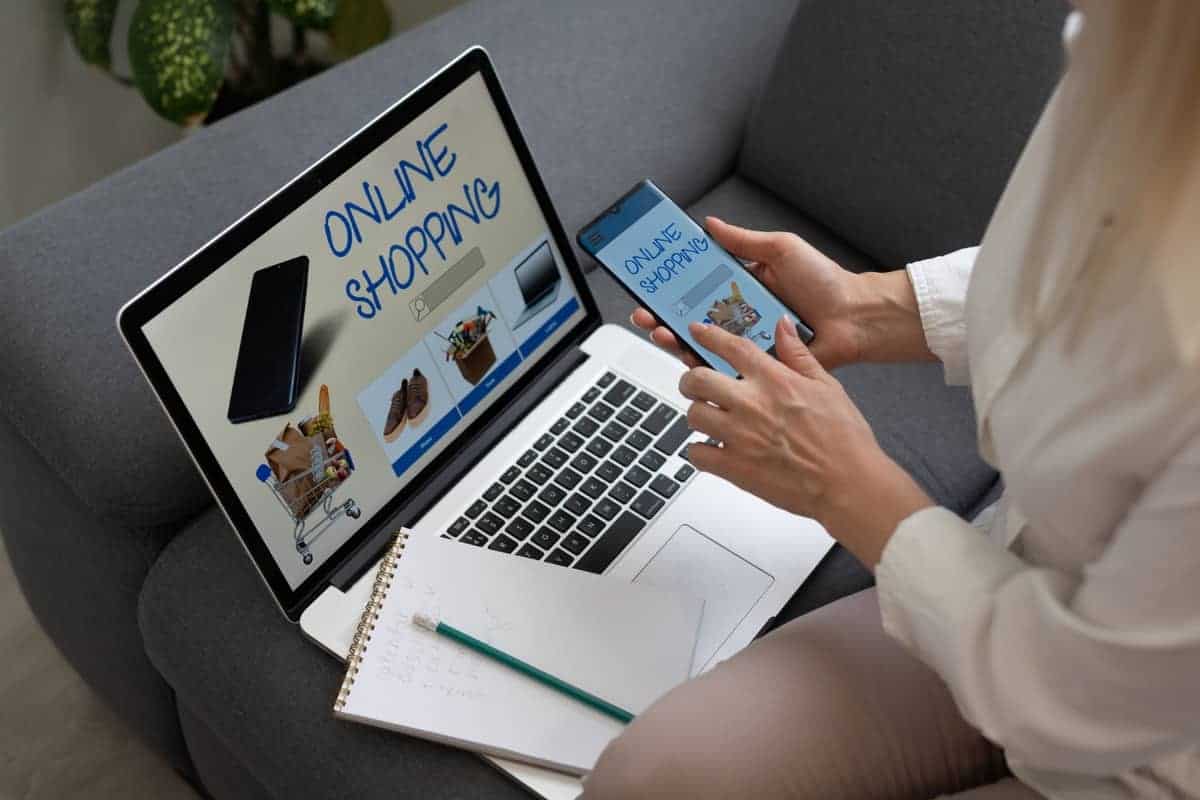
AI-powered tools handle market research, product selection, writing product descriptions and even setting up a shop on a ready-made platform. What used to require expensive services and expertise is now accessible to beginners for a small fee. But there is a downside: thousands of competitors are using the same tools, so the advantage goes to those who can add their own perspective and present their products effectively. Many sellers are focusing on short videos and search engine optimisation to attract not only paid but also organic traffic.
Delivery and Suppliers
Long waiting times for parcels are increasingly becoming a cause of order cancellations and returns, according to experts at the Step Link dropshipping platform. Consequently, sellers are switching to working with suppliers whose warehouses are located closer to the customer: delivery times are reduced, and there are fewer disputes. At the same time, marketplaces and payment services are tightening their checks on sellers’ identities, meaning that the legal registration of a business is no longer a formality that can be put off. Add to this the rising expectations regarding the speed of customer support responses and the transparency of returns policies, and it becomes clear that operational discipline is just as important as marketing.

Real figures for beginners
Industry reports all agree on one thing: only a small proportion of shops generate a stable profit – between 10 per cent and 20 per cent, according to various estimates. Experienced sellers typically have a net margin of 15–20 per cent, whilst newcomers often fail to reach even 10 per cent. A start-up budget of several hundred dollars – or preferably more – is needed not only for advertising but also for testing hypotheses: products that don’t sell must be quickly removed from the catalogue so you can try new ones. Ignoring these figures is risky: many ventures fail precisely because of miscalculations, rather than a bad idea.
Conclusion from the experts at Step Link Canada
Dropshipping hasn’t disappeared; it has matured, note the specialists at Step Link. It is no longer ‘autopilot’ passive income, but a fully-fledged business involving analytics, customer service and accountability to the buyer. For those prepared to analyse unit economics, carefully select suppliers and build a recognisable brand, the market remains open. For those looking for easy money, 2026 offers very few opportunities.