
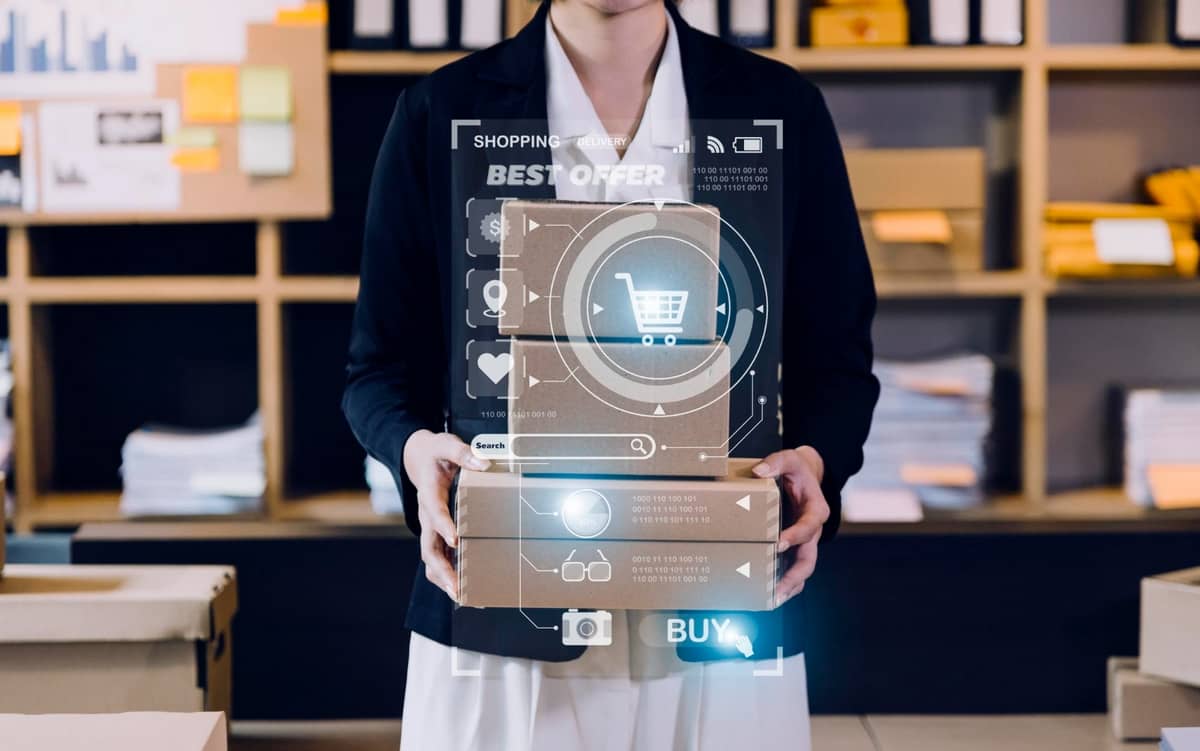
Launching an online shop without a warehouse or significant investment has never been easier. Dropshipping is experiencing a new wave of growth – and artificial intelligence is playing a key role in this. While some entrepreneurs are still manually monitoring competitors and creating product descriptions, others have already automated most of the processes and are focusing on scaling up. In a new blog post on the Step Link Platform, we explore how this works and where to start.
From product research to content creation: AI takes care of the routine tasks
In the past, finding promising products used to take hours: scrolling through marketplaces, studying other shops’ offerings, and relying on intuition. Today, tools such as Sell The Trend or Minea analyse millions of product listings, social media trends and sales statistics – and generate a ready-made list of promising items in minutes. The algorithms take into account seasonality, niche competitiveness and potential profit margins. A newcomer gets what an experienced entrepreneur used to spend weeks on.
Traditionally, stocking the shop took just as much time. Thousands of product listings with unique descriptions, specifications and SEO optimisation are now generated in a matter of hours. Language models adapt the tone to the target audience, incorporate the necessary keywords and generate headline variations for A/B testing. What used to require a whole team of copywriters and editors is now done by a single person with the right set of tools. At the same time, the quality of the text remains high enough to convert visitors into customers.
Visual content is keeping pace too. Image generators allow you to create lifestyle product photos without expensive photo shoots, whilst background editing tools remove unwanted elements in seconds.
Pricing, support and operations: a system that runs without you
Setting a price once and forgetting about it is a losing strategy in a highly competitive market. Competitors change their prices daily, exchange rates fluctuate, and suppliers periodically adjust their terms. AI-powered dynamic pricing systems monitor the market in real time and automatically adjust prices to maximise margins within set parameters. You define the limits and priorities; the algorithm works round the clock – without your involvement, notes Step Link.
Customer support is another area that can easily become a headache. Queries about order tracking, delivery times and return policies make up the vast majority of enquiries. AI chatbots resolve up to 80% of such requests instantly, at any time of day and without tiring. A live operator is only involved in non-standard situations, which significantly reduces operational costs and increases response times – and therefore customer loyalty.
Analytics deserve special attention. Modern platforms generate reports automatically, identify weak points in the sales funnel and suggest specific steps to boost conversion rates. Instead of poring over spreadsheets, the entrepreneur receives ready-made conclusions and recommendations.
Where to start
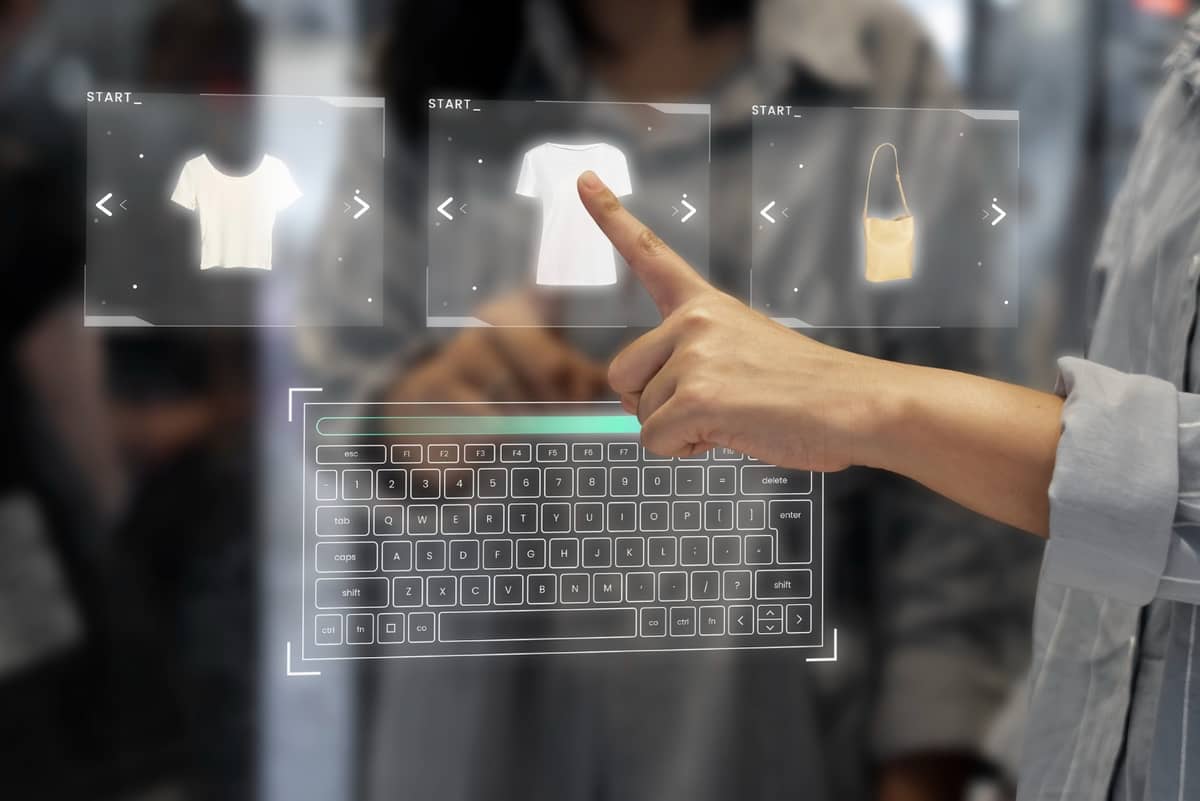
There’s no need-and it’s not a good idea-to automate everything at once. Start with one problem area: product sourcing, generating descriptions, or setting up a chatbot. Test the tool, evaluate the results, then move on, advise the experts at Step Link. The barrier to entry is minimal today – most AI services offer free trial periods and an intuitive interface.
Dropshipping with AI in 2026 isn’t about replacing the entrepreneur with a machine. It’s about freeing up time and energy for what really matters: strategy, partnerships and scaling the business.