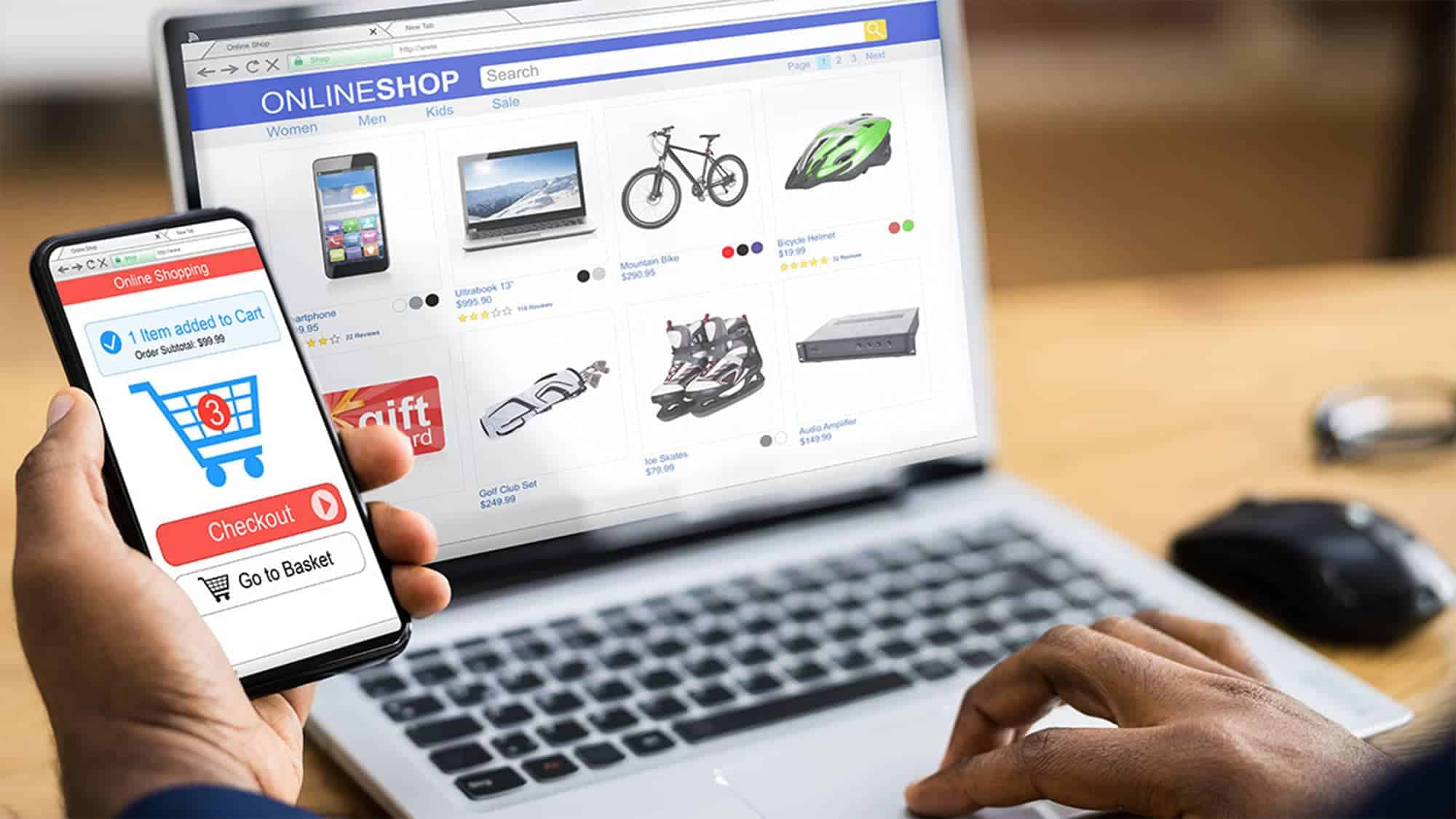
Around 70% of e-commerce users make purchases via their mobile phones. This means that website loading speed is of the utmost importance. After all, if your dropshipping shop’s website takes too long to load, potential customers will simply close the page. A PWA strategy can help, making your website fast and user-friendly. We discuss this in a post by Step Link Canada.

What is a PWA?
A PWA (Progressive Web App) is a website that works like an app. It doesn’t need to be installed on your phone – a desktop shortcut is all you need. It supports offline mode, can send notifications, loads quickly and works on any platform.
To put it simply, it’s your online shop, but in a more convenient and faster version. It’s better adapted for mobile devices, runs faster and is generally easier to use. It no longer looks like a standard website, but feels like a fully-fledged professional product.
Improving loading speed
Imagine two scenarios: in the first, a website takes 5 seconds to load; in the second, less than a second. In which scenario is a user more likely to complete a purchase? The answer is obvious. PWAs store some data on the user’s device (this is called caching), so pages load almost instantly on subsequent visits. Research shows that if page load times increase by 1–3 seconds, the bounce rate can rise to 32%. In other words, people simply leave. Every extra second means lost customers. The end result is that you spend money on advertising, attract visitors, and they leave because the site is slow. These are direct losses that a PWA can help you avoid, according to experts at Step Link, a company specialising in creating high-converting websites.

Impact on conversion rates
A PWA helps to increase conversion rates, i.e. the percentage of total website visitors who make a purchase. Even small improvements can make a difference. For example, improving loading speed by just 0.1 seconds can increase conversion rates in the retail sector by around 8%.
There is also a psychological aspect. A fast and stable website inspires trust. And trust is a key factor influencing the decision to buy. If a page is slow or unstable, people start to have doubts.

When to implement a PWA: tips from Step Link
Check your website’s speed. If it’s slow, that’s a problem. Research shows that companies which have switched to PWAs reduce the bounce rate for new users by around 40%. Next, view the site on a mobile phone. How easy is it to place an order? Is it straightforward to complete the entire purchase process? It’s worth implementing a PWA as soon as possible, especially if you have traffic but no sales growth – the problem may lie with the site itself, rather than the product. If you increase advertising without improving the site, you could simply be wasting money.
It is important to understand that a PWA is not just a trendy gimmick, but an investment that will help you earn more, advise the managers at Step Link Platform Inc. There are real-world examples: after switching to a PWA, Starbucks saw its daily user numbers double, whilst on Pinterest, the time people spend on the site increased by 40%. According to forecasts, the PWA market will grow from $2.1 billion in 2026 to $11.4 billion by 2030. In other words, the technology is developing rapidly and is being used more and more frequently.