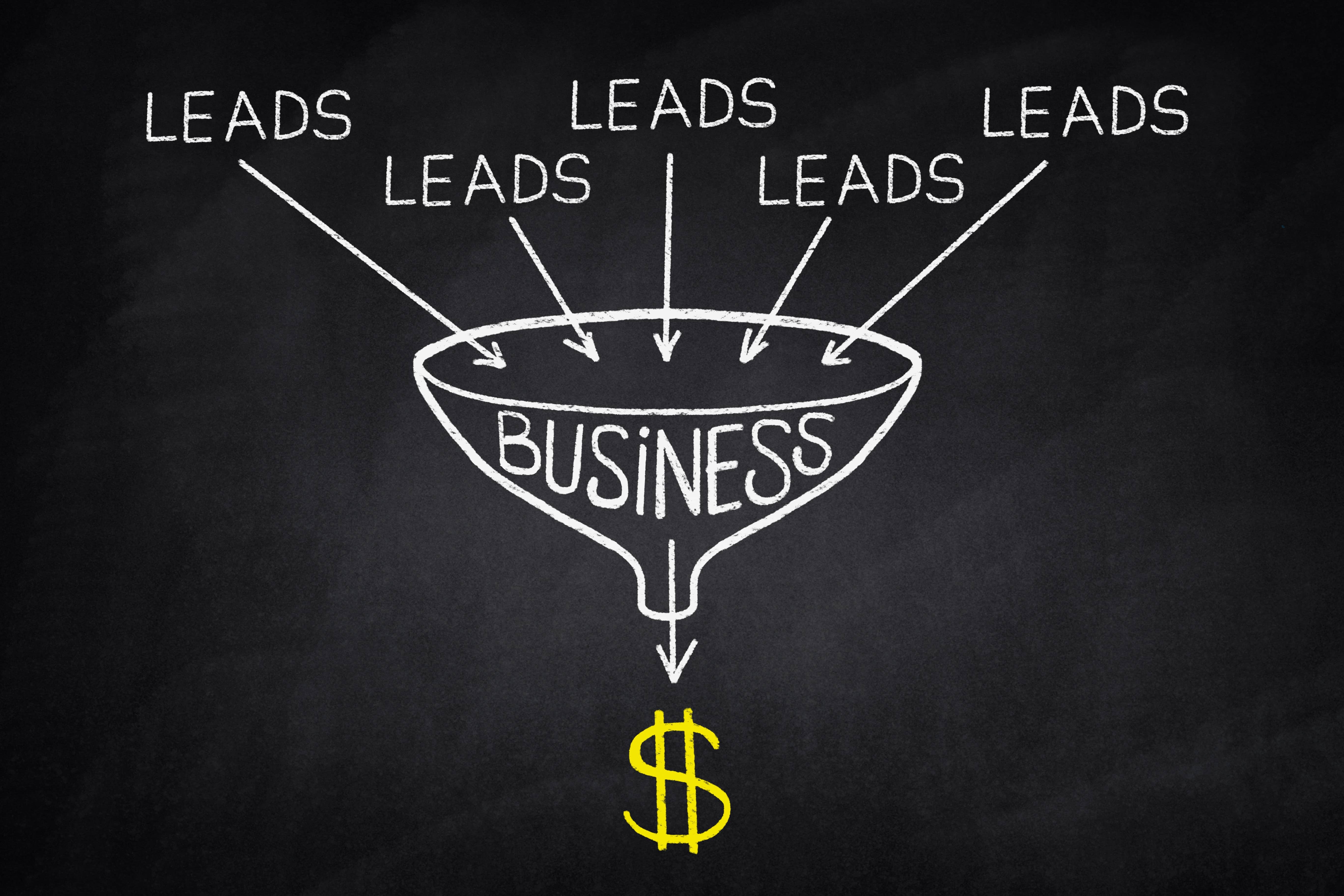
You’ve found a good supplier, launched your product, set up advertising, but there are no buyers? While you’re looking for reasons, your competitors are getting orders and taking your audience. Unfortunately, this often happens to beginners in dropshipping. To avoid such situations, you need one thing: a clear understanding of your customers’ needs. Don’t guess. Don’t rely on luck. Understand your audience’s needs. If you skip this step, there’s a 99% chance you won’t make any money.
To avoid being among the losers, read the new publication from Step Link Platform Inc., in which we’ve compiled recommendations from our company’s experts.
Define your target audience
The main mistake occurs when you claim that your product is ‘for everyone.’ This means that it is not for anyone in particular. The buyer must feel that you are addressing their problem, otherwise they will choose another seller.
Define who the product is aimed at: age characteristics, lifestyle, consumption habits, motivations and concerns. When you have a specific image of the buyer in front of you, rather than a vague group, it becomes easier to form arguments as to why they should buy your product.
How to analyse customer needs
Customers reveal their needs in complaints, reviews, and correspondence with technical support. Pay attention to how they phrase their problems. Sometimes a short message can hide a clear motive for buying your product. If you ignore such signals, you will sell far fewer units than you could. Collect all information from customers and identify recurring reasons for interest. This will form the basis for strong offers, according to experts at the Step Link dropshipping platform.

Choose products that are in demand
A product may be of high quality, but if it does not solve the buyer’s problem, it will not sell. Keep track of what users are looking for, what topics they are discussing, and what difficulties they are trying to overcome. Analyse current trends: sometimes growing demand can be seen in advance if you carefully study the behaviour of your audience.
Creating a product card that sells
In dropshipping, the product card is your main salesperson. This is where many lose a significant portion of potential buyers, even with a good product. Images should show the product in use, and the description should clearly explain how the product solves a specific problem for the customer.
Your goal is for the potential buyer to see the product and immediately think, ‘I need this!’ and click the order button without hesitation. If the card looks boring, overloaded, or confusing, the person will go to another seller.
Communication and handling objections
In dropshipping, the buyer cannot see the product in person and does not know you as a seller, so doubts and questions are normal behaviour on the part of the customer. If you respond dryly, stereotypically, or ignore questions, you may lose the order because the customer will simply go to a competitor who will explain everything and therefore be more trustworthy.
If a person has clicked on an advertisement and visited your website, they are already interested in purchasing the product you are selling. Your task is simply to encourage them to pay.
Sales analytics and optimisation
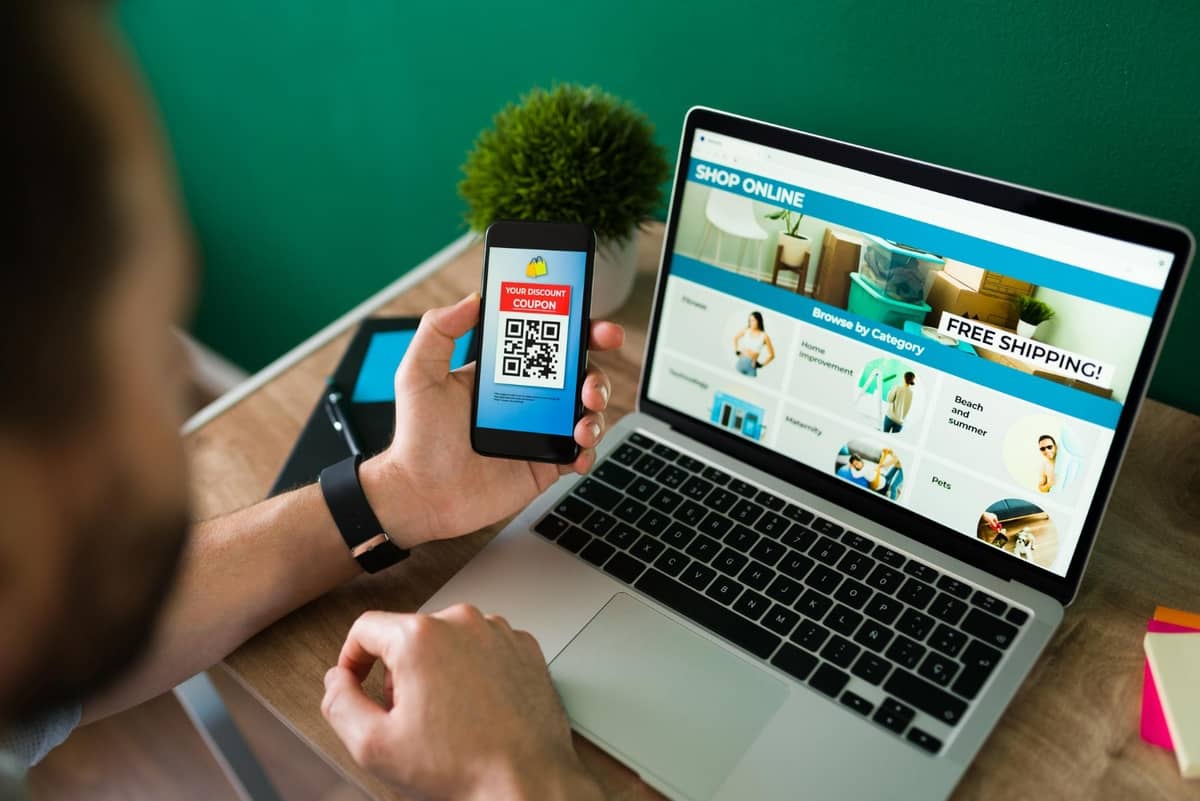
In dropshipping, sales are determined by analytics, not guesswork. Keep track of what people buy, what they add to their baskets but don’t purchase, and which cards and ads work best. Based on this, adjust your images, texts and prices, advise the experts at Step Link dropshipping.
In dropshipping, mistakes in understanding customers are costly: competitors quickly take away your audience, and your advertising budget is wasted. Only a clear understanding of customer needs, a competent selection of products, and correctly designed cards will bring you real sales.